First Day of School Math Activities for Homeschoolers

It’s back-to-school time for homeschool families. Even if you’ve kept learning going all summer, the beginning of the school year still feels like a fresh start. For working homeschool moms, the first day of school math activities need to be fun, engaging, and time-efficient. After all, you’re balancing work deadlines, lesson prep, and managing the household.
⬇️ Want the Pizza Fractions for Kids printables? You’ll find them below! ⬇️
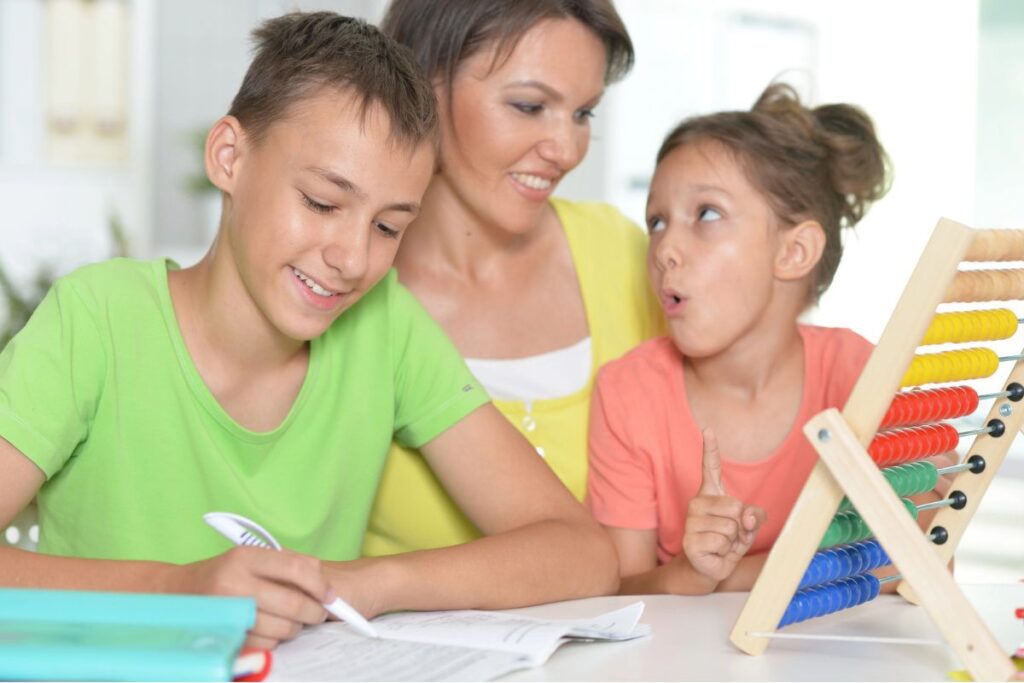
The ultimate goal is simple: give your kids a great start to the new school year while keeping your stress level low. That’s why I rely on fun math activities that are easy to set up, adaptable across grade levels, and don’t require hours of prep.
Fun ways to start the first day of math class
Instead of diving straight into textbooks, open your first day of math class with a fun game or riddle. A deck of cards can turn into a simple game for practicing math facts or place value. For younger students in the 1st grade or 2nd grade, try a tic-tac-toe board where each square is solved with an addition or subtraction fact.
For older students, give them sets of questions that require creative problem-solving in small groups or small teams. Not only do these fun ideas build confidence, they set the right tone for the first days of school and remind your kids that math fun can happen every day.
Math About Me Posters: a great way to blend math and creativity
A great activity for the first week of school activities is a “Math About Me” poster. This is a fun way for new students (or even your own kids moving up a grade) to share fun facts about themselves—by the numbers.
- A 1st grade child might share their age, number of pets, or favorite thing.
- A 3rd grade or 4th grade child could calculate how many days old they are.
- A 5th grade or middle school student could estimate what fraction of their life has been spent homeschooling.
You can do this on a piece of paper, with sticky notes, or even in a Google Slides version if your kids enjoy tech. Add in a few task cards with math ideas (like calculating the distance to Grandma’s house) to stretch their thinking.
These posters make a great addition to your homeschool room. Plus they’re one of the best first day of school activities because they celebrate students’ interests while practicing math skills.
Time-saving math centers for the first days of school
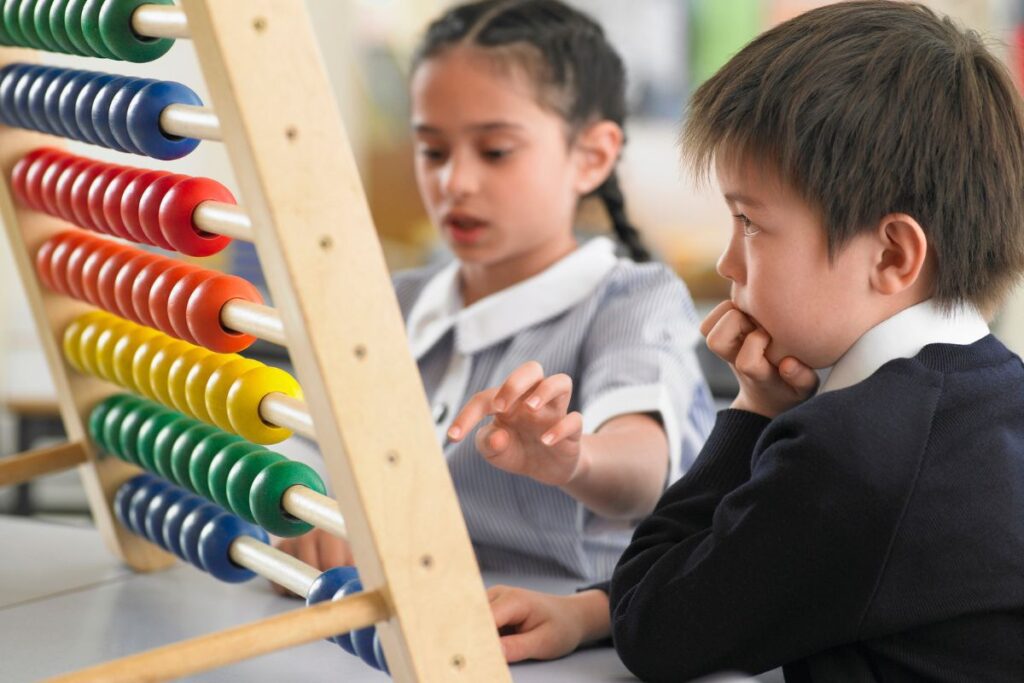
Homeschool moms juggling work know that lesson plans need to be practical. That’s where math centers shine. Whether you’re teaching first grade math games or reviewing algebra in the upper grades, having go-to school math activities packs makes life easier.
The best ways to use centers at the start of the year:
- Assign a card game for younger students to review math facts.
- Use shape cards or a hundreds chart for second grade and 3rd grade learners.
- Offer logic puzzles or a quick online game for older students in middle school.
Centers can run in small groups or even as independent activities, giving you a little bit of breathing room for your work calls. For moms who prefer open-and-go lessons, check out this list of open and go homeschool curriculum options that save hours of prep.
Hands-on activities: an awesome way to engage all ages
A fun activity that works across grade levels is building geometric models with marshmallows, straws, or toothpicks. Kids love seeing the final product, whether it’s a cube, pyramid, or prism.
- Younger students can focus on identifying shapes.
- Older students can calculate surface area or volume.
This awesome way to explore geometry requires almost no prep and makes math feel less like worksheets and more like a fun idea for group work.
Problem-solving games for the entire class (or family)
If you’re homeschooling multiple kids, first day activities that involve the entire class (aka your family) work well. Games like Adsumudi, where kids use given numbers to reach a correct answer, are adaptable for all ages.
You can also try:
- Thirteen – a card game where numbers must total 13.
- Proof – a fun game for building mental math patterns.
- Train Game – perfect for first grade math games.
These are great activities to revisit throughout the school season—not just during the first week of school activities. They also work well if you’re homeschooling multiple ages, whether you’re teaching younger kids or homeschooling tweens.
Printable and digital options to save time
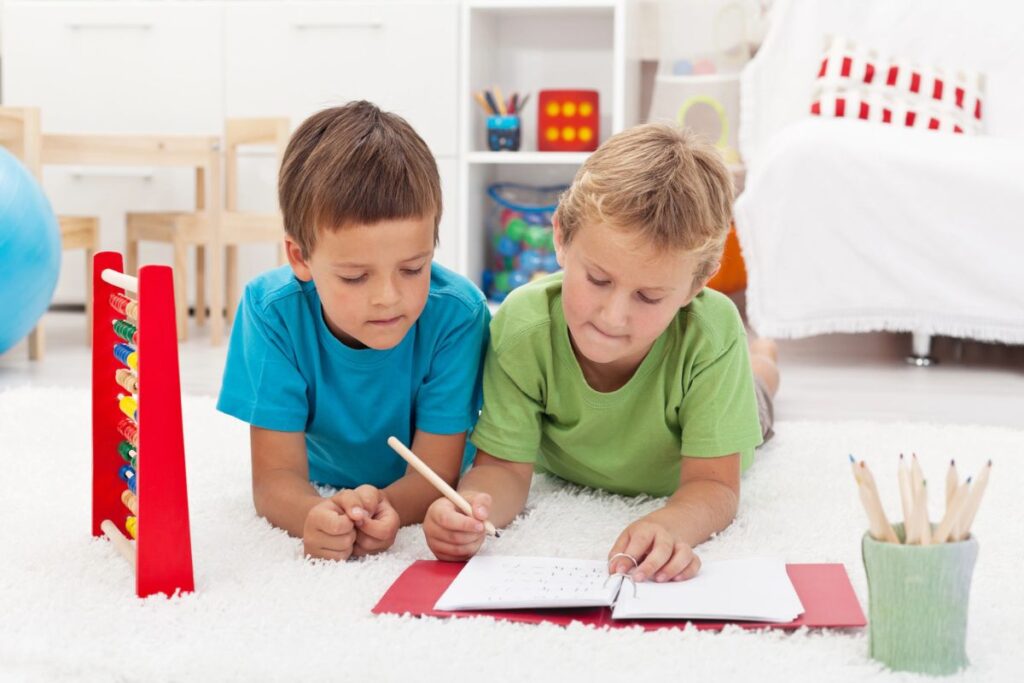
Sometimes the best parts of a new school year are the free printables you can find to simplify prep. From math worksheets and task cards to editable posters and free downloads, these resources are a great idea when you need valuable information but don’t have time to design your own.
Some resources even come with a Google Slides version, making them flexible for kids who prefer digital learning. Pair these with your lesson content or weeks of school review, and you’ll have your math lessons covered with minimal effort.
Setting the right tone for math time
The best first day of school activities don’t just review math facts; they help kids feel confident. Whether you’re using simple math activities like card games or unique ways to explore concepts with hands-on building, the ultimate goal is to start the school season on the right foot.
With great ideas, fun activities, and the right mix of lesson content, you’ll help your math students see the new school year as an opportunity to grow—not just in academics, but in perseverance and teamwork. You’ll also give yourself space to manage your workload more effectively with these time management tips for homeschooling while working.
Make Homeschool Math Fun
Starting homeschool math doesn’t have to be overwhelming. The best ways to ease in are with fun activities that are quick to prep, adaptable across grade levels, and flexible for your busy schedule. From fun facts posters to first grade math games, and from card games to math centers, these first day activities will help your children kick off the school season with confidence.
And remember, when you set the right tone for your first day of math class, you’re not just teaching equations. You’re modeling balance, creativity, and joy in learning. That’s the ultimate goal of homeschool math, and it’s a great way to start your new school year.
If you’d like more practical ways to juggle homeschool and work, see how I prepare for the next homeschool year or how to teach time management so kids can become more independent during math time.
Like this post? Save it for later!